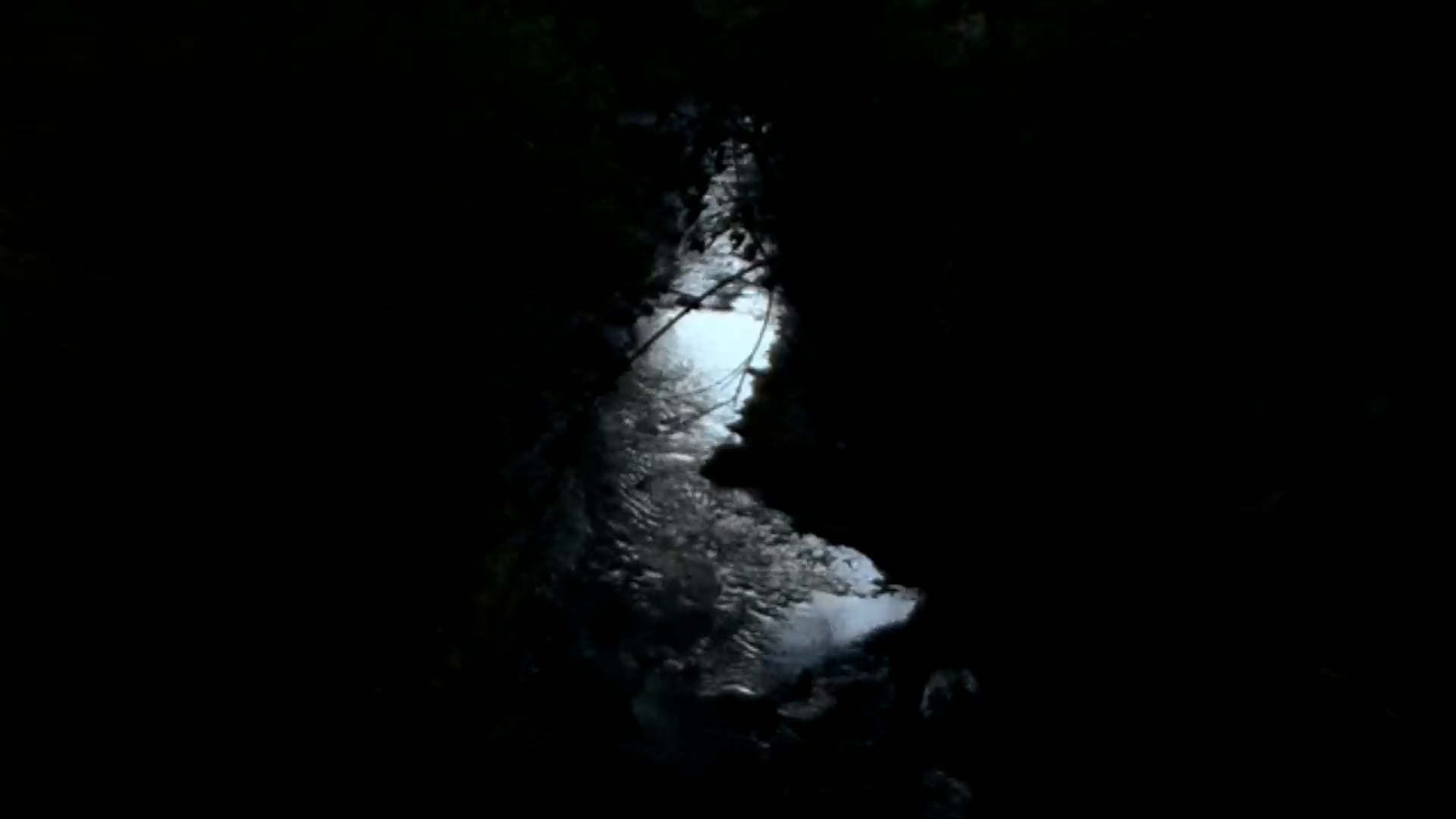
The Sewage Pond's Memoir 2017
(Excerpt)
Video, 6.3 mins
The video shot over a period of over a year and a half, forms part of the work on urban ecology. The ancient Delhi Ridge Forest inhabits the tail end of 1.5 billion year old mountain chain traversing the western coast of the country. In fact the ecological security in terms of water and cover it provided was one reason why the many cities of Delhi which came up over time, were located here for over a thousand years. It has taken years of citizen’s action to keep it from being totally destroyed and urbanized, and is now in parts legally protected. However it is constantly being degraded, paradoxically as the ecologically strained city explodes and encroaches upon it, dumping it with sewage, garbage and illegal construction. The decades of engagement with the urban forest, has been the source of many personal reflections, and questions about how we think of nature, technology, progress and urbanization in contemporary times.
How do we know nature? In one way, nature is defined by atoms and molecules, and bound by their laws. In another, it is a concept that resonates with us in deep ways, a part of our individual and collective memory, our culture, poetry, and mythology. Urban migration implies that we have left our traditional rural roots behind and moved into the grid of a new global modernity. Here ideas of nature are locked into the technology of resources, usage, and functionality. Sewage is measured in liters and water quality. When sewage does not flow in its desired course, it overflows into the forest, which becomes a marker of a dysfunctional system rather than of belonging.